Santorini Greece Earthquakes: A Comprehensive Guide To Understanding Seismic Activity - In response to the history of seismic activity, modern-day Santorini has implemented various safety measures to protect its residents and visitors. These measures include building codes, early warning systems, and public awareness campaigns. Publications from the Nature Journal and other reputable sources underscore the significance of interdisciplinary research in understanding Santorini's seismic activity.
In response to the history of seismic activity, modern-day Santorini has implemented various safety measures to protect its residents and visitors. These measures include building codes, early warning systems, and public awareness campaigns.
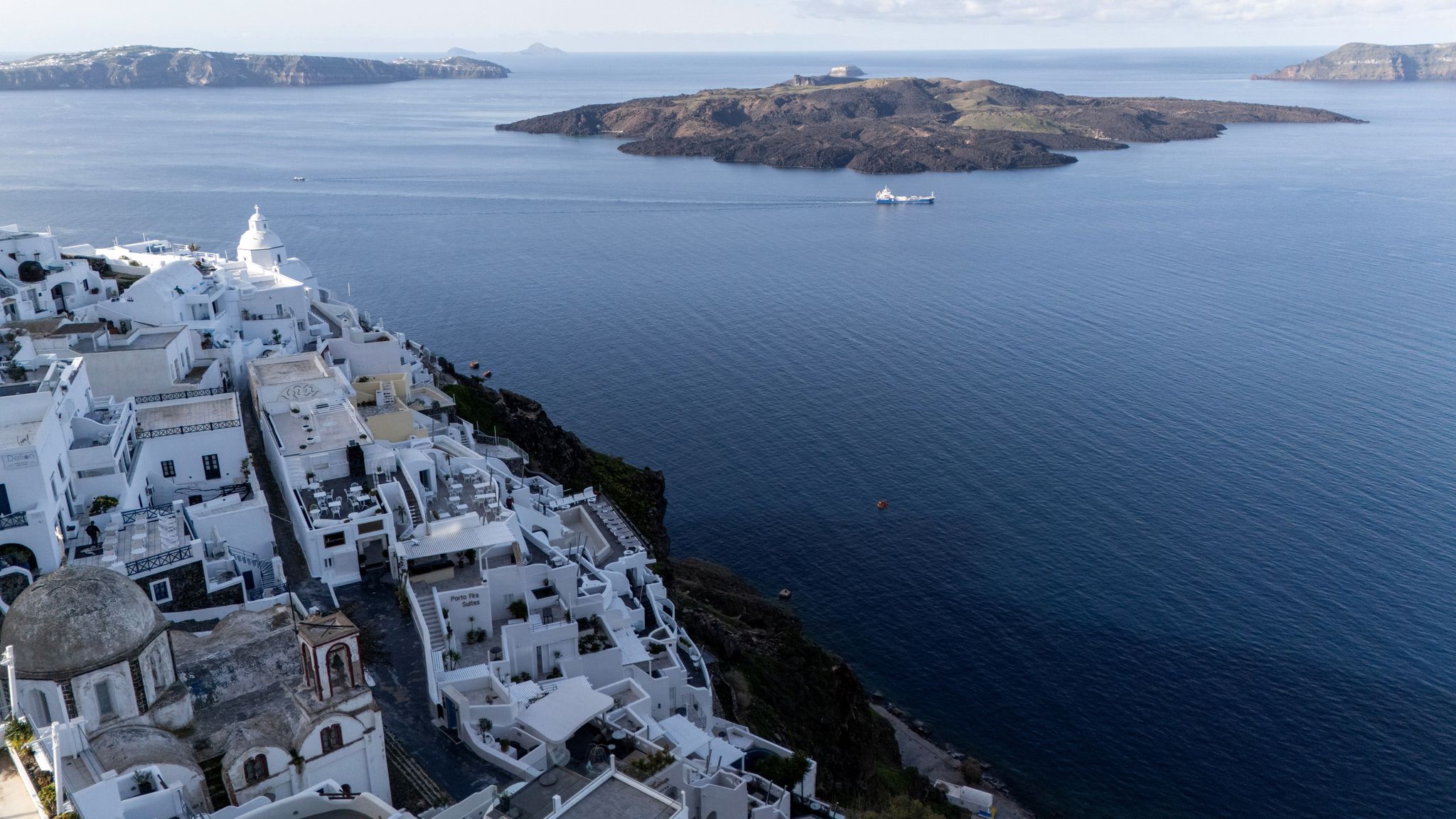
The volcanic activity in Santorini is a result of the subduction zone where the African Plate converges with the Eurasian Plate. This tectonic movement is responsible for the frequent earthquakes experienced in the region. While volcanic eruptions are rare, seismic activity is more common, often serving as a precursor to volcanic events.
New technologies, such as satellite-based monitoring systems and seismic sensors, are being deployed to gather real-time data on tectonic movements. This data is analyzed to identify patterns that may indicate an impending earthquake.

These historical earthquakes highlight the importance of understanding seismic activity in Santorini and preparing for potential future events.
By following these precautions, tourists can enjoy their visit to Santorini with peace of mind, knowing they are prepared for any seismic eventuality.
This article aims to provide a detailed exploration of Santorini Greece earthquakes, equipping readers with essential knowledge about seismic activity in the region. From historical records to modern-day preparedness, we will cover everything you need to know about this critical topic. Let's dive in.
Santorini, a part of the South Aegean volcanic arc, is a geological marvel. The island's formation is closely linked to its volcanic past, which has also contributed to its seismic activity. The caldera, a prominent feature of Santorini, was formed due to a massive volcanic eruption around 1600 BCE.
The 1956 earthquake caused parts of the caldera to collapse, reshaping the coastline and altering the island's topography. This seismic event also led to the formation of new islands, such as Nea Kameni and Palea Kameni, which are now popular tourist attractions.
According to the Geological Society of London, the geological composition of Santorini makes it a hotspot for seismic research. The island's unique geological features provide valuable insights into the Earth's tectonic processes.
Geologists have identified key areas on the island that are more prone to seismic activity. These zones are closely monitored for any signs of increased seismicity, allowing authorities to take preventive measures when necessary.
The subduction of the African Plate beneath the Eurasian Plate generates significant stress, which is periodically released through earthquakes. This process is a natural part of the Earth's tectonic dynamics and is responsible for the seismic activity experienced in Santorini.
Santorini is divided into several sub-seismic zones, each with varying levels of seismic activity. Understanding these zones is essential for effective disaster management and urban planning.